Be a positivity hunter
Mentoring
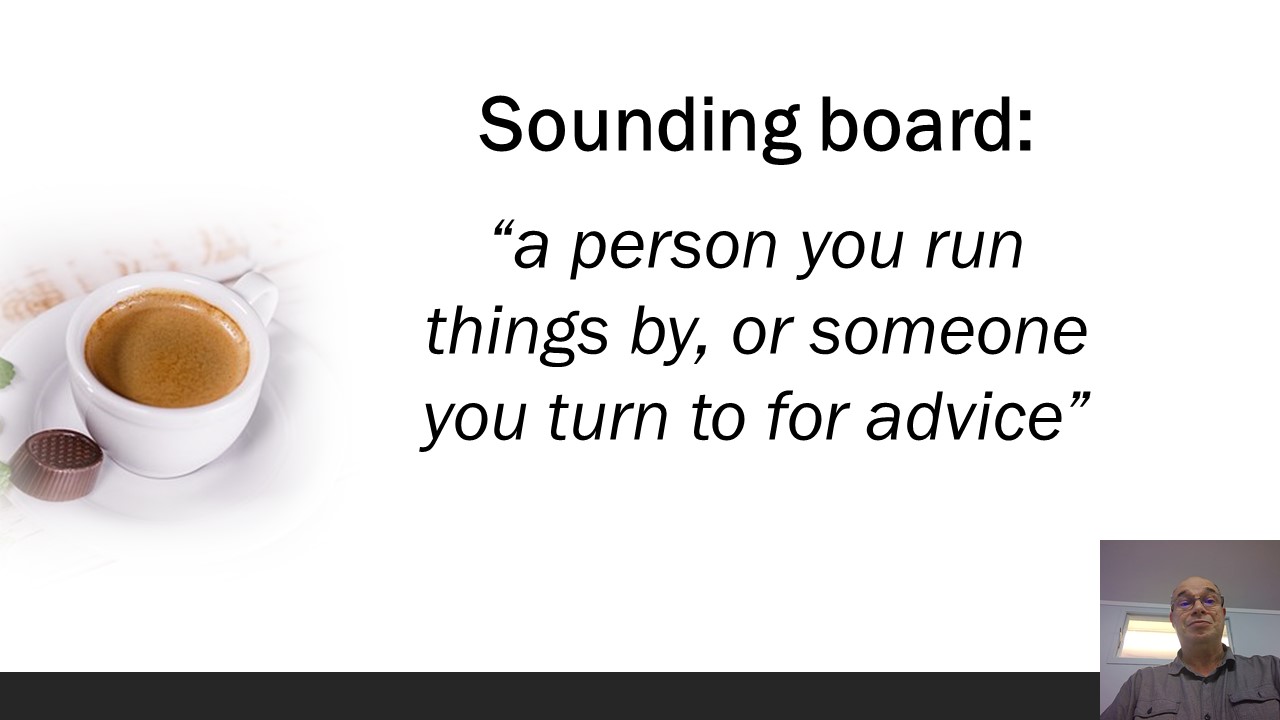
Lately I’ve been really enjoying helping others on their various journeys. Well I would define it more as more supporting and being a sounding board.
Being a “sounding board” has been so rewarding and something I’m keen to keep on doing – so I thought I’d do a bit of up-skilling.
Mentoring is only one part of the process but on Friday I attended a “Mentoring Skillshop presented by Geoff Knox of Better Business Academy (thanks to the great folk at CELF).
Engage : Share : Practice : Perform

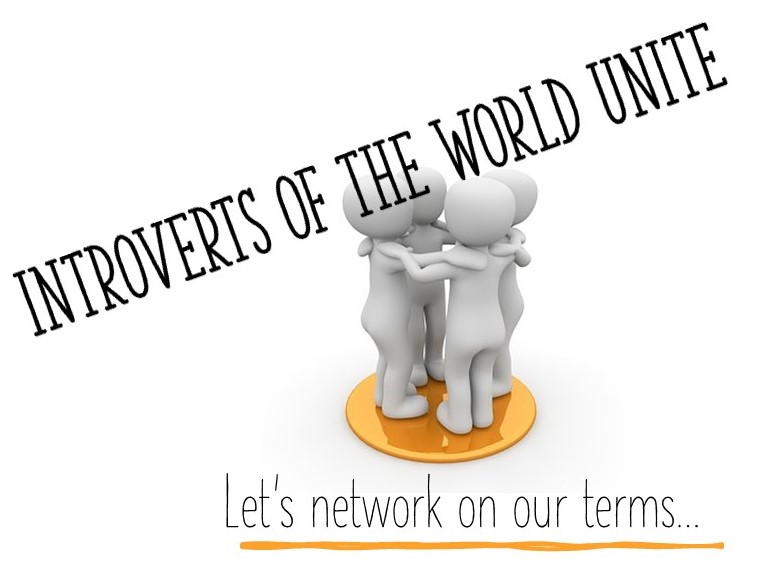
Do introverts hate networking?
First off – let’s stop stereotyping. You simply cannot make such broad and sweeping statements about roughly half the population. Remember the old saying “label jars not people”? Well that applies to any label you are think of using!
Secondly let’s stop making assumptions about what networking is, and where it takes place. A 19 year old woman with green dyed hair may not feel that comfortable networking in a corporate board room filled with old men in suits (but remember, they may also feel very comfortable). If you’re hard of hearing, trying to network in a very loud, crowded space may simply not work.
I’m an introvert, I networked at an event with a great person who inspired this post. Did I enjoy meeting her and chatting? – absolutely. Was it really networking? – of course it was. Turns out, others at the event also felt the same.
People can identify as introverts and still enjoy networking – and can be really good at it.
Instead of making assumptions about people, let’s spend some time thinking about expanding the ways we engage with networking.
For example, standing around after a full day conference, talking loudly in a crowded event foyer works well for some people. For others, a relaxed chat about a topic, in a small group and in a quiet, comfortable room may work better.
If you’re organising an event where you want networking to occur, pause and think about ways you can get everyone to engage.

To Profit or Not to Profit
Rob Campbell comments to a financial analysists conference were reported in Stuff
He made the very valid point that “Business is not a machine whose purpose is to spit out money to shareholders in a reliable stream forever“.
I saw this article on LinkedIn and thought I’d add my views…
Business is just a resource. It’s up to us how we use that resource, and how we use the outcomes of that resource. Making money for shareholders isn’t wrong, in and of itself. It can even be seen as an impactful purpose, depending how the profits are used. We need to be more open and more strategic around ‘purpose’. Imagine if Amazon was owned by a charity that used the profits as a resource to help eliminate food poverty around the globe. In this case, Amazon’s purpose to make a profit is obviously a good thing.
Of course just because profit could be a ‘good’ purpose, that doesn’t have to mean profit at all cost. It’s just why that organisation is operating that particular business. Like all organisations (not just businesses), it should be values driven, seek to support it’s communities and basically operate as a good citizen.
Rob Campbell is obviously talking about large corporates but we also need to remember that the NZ economy is made up of a significant number of SMEs. Operating a business with the intent to support your family is still a purpose.
I don’t believe that making a profit is where we need to have the conversations.
The two key focus points should be how we make that profit and then how we use that profit
What really matters is how we use business to do good!
Positive change is the ‘why’ for your thoughts
Thought leaders must generate conversations.
Conversations must generate action.
Actions must generate positive change
This seems simple but whether it’s in business, social services or even politics, it provides a basic rule of thumb for what “thought leaders” should be striving for. Ideas are great, action has to follow but positive change is what it’s really all about.

Be a storyteller
I recently attended a social media/digital marketing seminar for NFP and social enterprise. Tyler Riewer came out with the great question while talking about telling stories.
Are storytellers really just sales people, and if so, is this a bad thing?
I often think that many purposeful organisations, especially NFPs, see ‘selling’ as a dirty word. It’s so capitalist, profit driven, corporate etc etc.
The reality is that we should be selling our purpose. If it really is your authentic mission, you will be selling it and not even know it. Fundamentally, if we don’t want to sell our purpose, do we really believe in it?
It’s up to us to tell the stories that sell our purpose.

Help…
If we look at LinkedIn and other business environments, we’re all there putting out advice or ‘wise words’. Congratulating ourselves, our teams or our contacts on some success.
When was the last time you saw a post asking for help, advice or support? I’m not talking about the odd post about which name or graphic looks the best. I’m talking about situations where we genuinely don’t know what to do and we need help to solve an issue.
Are we still asking for help, just not in a way that everyone sees we’re seeking it? Or are we basically stubborn and despite the advice we give, we’re still not good at asking for it ourselves?
Obviously, the reality is all of the above.
Asking for help in a non-public way makes sense. What really concerns me though are cases where people don’t realise that they need help, or do realise but are afraid to ask (or worse still, don’t think that they are worthy of others help).
Of course the next logical question is… are we asking the right people to help us?

Hell
A bit of cynicism is fine but don’t dismiss the awesome reality
Someone commented on LinkedIn that purpose at work is just a con – a way that profit hunger managers and owners can get their staff more engaged, simply so they can earn even more profit.
Owning a business called The Optimistic Cynic, I totally understand the point they’re trying to make here.
There will be companies that use ‘purpose’ simply as a method to engage staff or for their marketing messaging. The same way they have used the environmental message. So yes, people need to be aware of this.
There is a big BUT here.
I like to believe that most people (shareholders, directors and managers are people as well) genuinely want to do good. Historically business was never seen as a tool for doing that but this view is definitely changing. We now know that you can have a purpose and still make a profit. Normal business strategies can be tweaked to reduce harm or to do good, without any extra costs. Staff will definitely be more engaged if the organisation has a purpose other than making money.
The key issue is, like most things, how genuine it all is (I would have used the word authentic, but wow is that word over used or what?).
If a company purports to be purposeful but doesn’t follow through with it, people will know. Staff will obviously be the first to work it out and that change in perspective will filter through to customers. With the internet, people also find these things out for themselves and ultimately anything the find for themselves will greatly outweigh anything a company may try telling them, regardless of their marketing spend.
Will your staff leave the business if you don’t have a genuine purpose? Probably not, especially if they have a family to provide for. Will all your customers suddenly disappear to the competition? Again, probably not – unless the competition are purpose driven and offer the same value.
On the flip side, will your staff be more engaged, enjoy coming to work and share that passion with your customers if you are a purposeful organisation? – absolutely.
Retention and recruitment easier within purposeful organisations? – oh yes indeed.
If more organisations are becoming purposeful, is it likely that your customers and suppliers will be in that group? – it would be unusual if they’re not.
Yes some companies will ‘purpose-wash’ but that shouldn’t stop you going down this path. It’s better for your staff, your customers, your communities and you!
Have a genuine purpose is easy and is simply the right thing to do.