Sometimes you feel so powerless that you just want to rant.
Last night I saw the end of Police 10-7 and the story of yet another sexual assault on a young woman.
These low lives make up such a small percentage of men but there’s enough of them that you can’t blame women for including all of us as ‘the problem’.
I know it’s not fair, but I’ve always told my daughters not to walk alone at night (not that they need telling). People may think I’m odd but I will always proactively offer to walk a woman home/to the station/wherever if they’re leaving an event alone at night (obviously only those that know me – for those that don’t I try and suggest someone else) – even though it shouldn’t be necessary.
If I’m walking at night and see a woman by herself, I will cross the road or ensure I keep my distance so I don’t freak her out.
I don’t know anyone who has shown an attitude towards women that they would even consider assaulting one (of course most wouldn’t show it).
Women tend not to want men discussing this with them – they are the victims and we are the perpetrators. “Not all men” simply doesn’t cut it.
So I do what I can but at the end of the day, it’s nothing. We have this big problem with men, but as a man I also feel so powerless to help.
This sort of topic isn’t what this blog is for, and it’s not an attempt to deflect from the victims. It’s simply a vent for my frustration.
We can send people to space and split an atom we can’t even see – but we can’t stop ferals walking our streets!
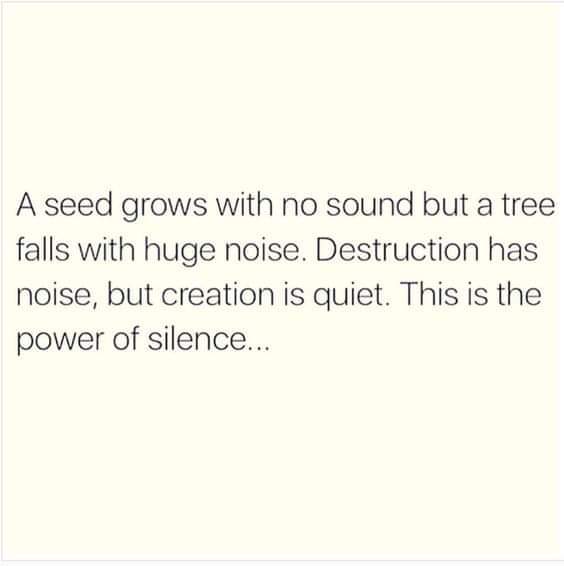
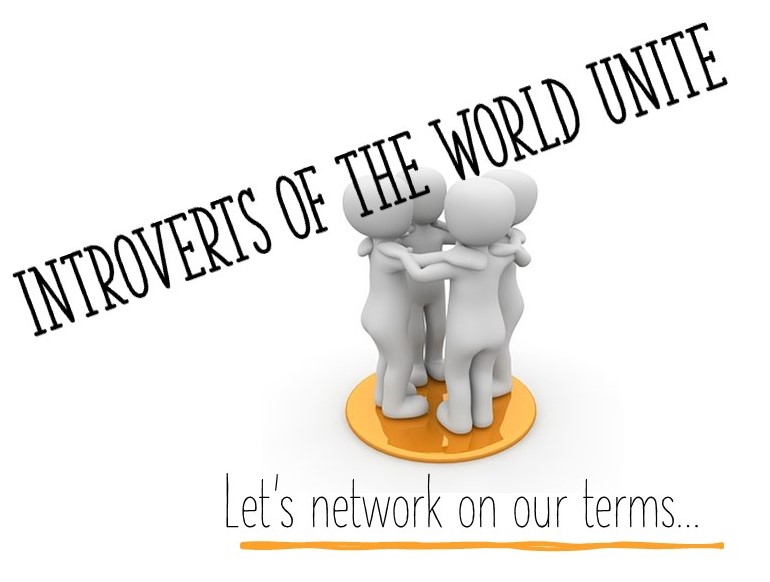
I was going to post the meme below at some stage with a brief statement in support of the quiet ones. As a self-confessed introvert, I have been a little noisy of late about the strength of the silent ones. It’s time we recognised that volume does not always equate to value.
Memes are great for simple messages and thoughts, they’re easy to share and tend to be in picture form making them readily viewed online.
It’s no use being clever and trying to do deep analysis on a meme – the point is they’re simple and should be read that way. Just share them and carry on…
I know you know this is coming BUT
The reason I’m advocating for introverts is because we need diversity of thinking, strengths and experiences. This is also why I’m often commenting on the very narrow focus we tend to take when talking about diversity in business and governance.
I like this meme, but the reality is we need noisy destruction as well as silent growth.
If the tree did not fall, the seed could not grow in the space it left behind. A fallen tree provides space and food- both are important for growth.
Destruction and noise, or maybe more pointedly for business disruption and vocal passion are necessary ingredients – as is deep thinking and quiet determination.
Don’t be selfish – share your purpose, your ideas and your random thoughts.
The world needs to hear them.
Too often deep thinkers sit back and allow the noisy thinkers to take center stage. Loud and passionate people should be heard – but so should those who quietly ponder life’s complexities and come up with creative, practical and world changing solutions.
Forums such as blogs and LinkedIn make it easy to share your thoughts. Don’t fall into the trap of thinking that the ‘professional posters’ satisfy everyone’s needs.
We really do need to hear more from the deep thinkers
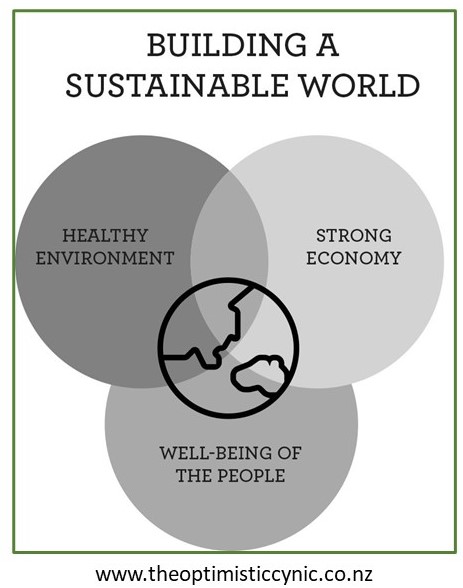
My goal is “A world where business and purpose collide”. Basically, this means a world where we have thriving communities supported by thriving businesses.
This is an optimistic goal, and one where the cynic says hang-on, I can’t change the world. This is true, but my cunning plan is to help other people change the world. I simply need to influence, support and enable changemakers. Give them the tools and encouragement them to do their thing.
I love this quote from Great Leaders & Organizations Have a Just Cause (2019). It sums up my view on the goal I’ve set myself:
“Idealistic It’s not about becoming the biggest, the best or number one. It’s not about reaching some arbitrary revenue target, even if it is huge. It is about pursuing something that is infinite – for all intents and purposes you will not ever attain it. It is, indeed, a vision and not a goal. And as you make progress toward that better future state you imagine; you will be able to feel and measure your momentum. A Just Cause is an ideal. It is something so noble that we would be willing to devote our lives and careers toward advancing it. And, when our careers are over, the Just Cause can live on and serve to inspire further progress; that can be our legacy.”
I can’t change the world – but I want to support others so that they can
Yesterday I noticed this great post on another platform “I reckon someone should offer workshops which cater for introverts. No group exercises. No role-playing. Maybe just some reading and an online form we can submit anonymously? I love learning new things but can’t stand workshop formats. Icebreakers can definitely sod off.”
Trainers and event organisers tend to be more extroverted so this must influence how their sessions/events are conducted.
Let’s start thinking about designing things to better include introverts.
and while we’re at it, let’s get the hash tag #introvertsunite trending (apparently trending hashtags can change the world…. sarc)