Is it time for change? Really?

I wrote this as a comment to a really good post on LinkedIn that said it is time for change and we need to make the most of the opportunities this virus has unfortunately presented us with.

“Many people in the impact space are thinking (or is it hoping?) that we will see significant change come out of the current pandemic. My concern is that these conversations and aspirations will be shared amongst those of us already on that page. My question is – how can we make this so mainstream that we will bring on-board a whole new set of leaders, influencers, organisations and basically anyone else? The world was already changing albeit slowly. What can we all do to make our passion a reality across our communities, bringing the economy along with us? We must do more…”

Sitting back reflecting on what I wrote, I have to ask myself, what am I doing?

If I truly and passionately believe that business is an awesome resource for doing good, and have often stated that it’s so easy to do – what am I doing to share this belief? What am I doing to help businesses along this path?

It is up to all of us to get this message across the whole economy and sitting talking to ourselves isn’t the way to do it.

I’m an old fashioned introvert so anything that appears remotely self-promoting doesn’t come easy but maybe it’s time to stand up.

Time to put it out there in a post, LinkedIn, here I come

  1. I believe that my book is an easy guide to how businesses can do good – using normal business techniques.
  2. I’ve blogged about my thinking
  3. I’m always able and willing to talk to any business, person or group about this way of thinking.

 Post coming up to broadcast what I can offer at this time.

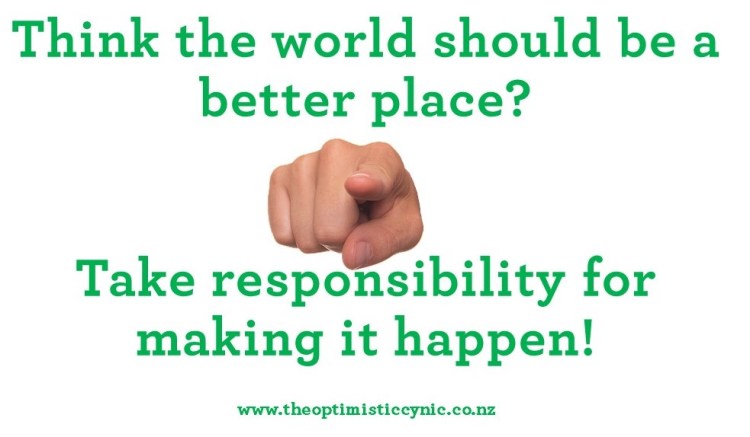
What are you going to do?

Feed-back on Touch Point

With everything in lockdown, people have turned to reading so I thought I’d quickly share some of the feedback of received on Touch Point, seven business strategies for a better world.

This type of thinking should be taught at university.”

Great ideas, the danger is middle managers play power games by interfering with the messages up and down.”

“The university should give this book to all its Management School students.”

“It was really good. I didn’t know you had it in you!”

“So easy to read. I enjoyed it and I’m not even a business person.”

Thanks to everyone who has let me know how they found the book – I really appreciate getting your feedback.

Remember if you haven’t got your copy yet, you can order online here.

Bah technology – who needs it?

I’ve just returned from 14 days ‘off grid’ – no internet and no cell coverage – and guess what, I survived!

In fact I didn’t miss it at all.

The first few days I did missed the football results (and not keeping up with the transfer window was also tough) but even that ceased to be an issue.

I was outside, in the fresh air, doing manual work. It was great.

Now I’m back home, I’m online again with work, book launch, football and watching Netflix.

You could say it was only a couple of weeks and that the sun was shining but in all honesty, being outside doing physical work beats technology for me.

Let’s put things into perspective. If we lost the internet, our species would evolve and carry on. It is just a passing phase on our long journey.

animal-3437467__340

No argument from me

The Sustainable Business Network (NZSBN) has collated 12 predictions for sustainable business this year.

As with most things “sustainability” related, the focus is on environmental issues (not that there is anything wrong with that) but it was great to see a media organisation pick up on the people message, especially a business editor.

Here’s what Maria Slade, Business Editor, The Spinoff had to say:

“Demonstrating a purpose other than making money for their shareholders is going to be one of the biggest challenges for firms in 2020, because today’s customers and employees are no longer willing to tolerate businesses that generate profits at the expense of people and the planet.”

Now who could disagree with that?

thumb-422147__340


Having a purpose vs being purposeful

2019 seemed like the year of talking about organizational purpose.

2020 will be the year for *practicing* it.

Forbes published an interesting article highlighting some work from Zach Mercurio around closing the gap between the idea of purpose and the practice of purposefulness

He says “we have to help employees make meaning. In today’s complex and fast-changing economy, we can’t assume that people understand how their work ladders up to larger, significant goals for their own performance, and by extension, that of our teams and organizations.”.

What I liked was the three simple recommendations that he makes for managers (though he should say leaders):

  1. Regularly show people how their work benefits others
  2. Help people tie their everyday tasks to a bigger purpose worth committing to
  3. Make contribution goals more important than achievement goals

dog-1801419__340

Intention vs Reality

We have all seen the various statistics about the intentions of millennials. The one that fascinates me is that over half have said that they would leave a job if the organisation didn’t have a positive impact on communities.

I’ve written before about how this view isn’t restricted to millennials, however, the thing that really stands out for me about these figures is that we never see what the rate is for people who actually change their job for this reason.

Intentions are great but faced with student loans, mortgages, families as well as career – how many people have the ability to make the change? Do we have the flexibility and opportunity to follow through or is there a significant pool of people who are disengaged with their employer, wanting to change but unable to do so?

If we can find opportunities for this pool, think of the resource we would free up to do good!